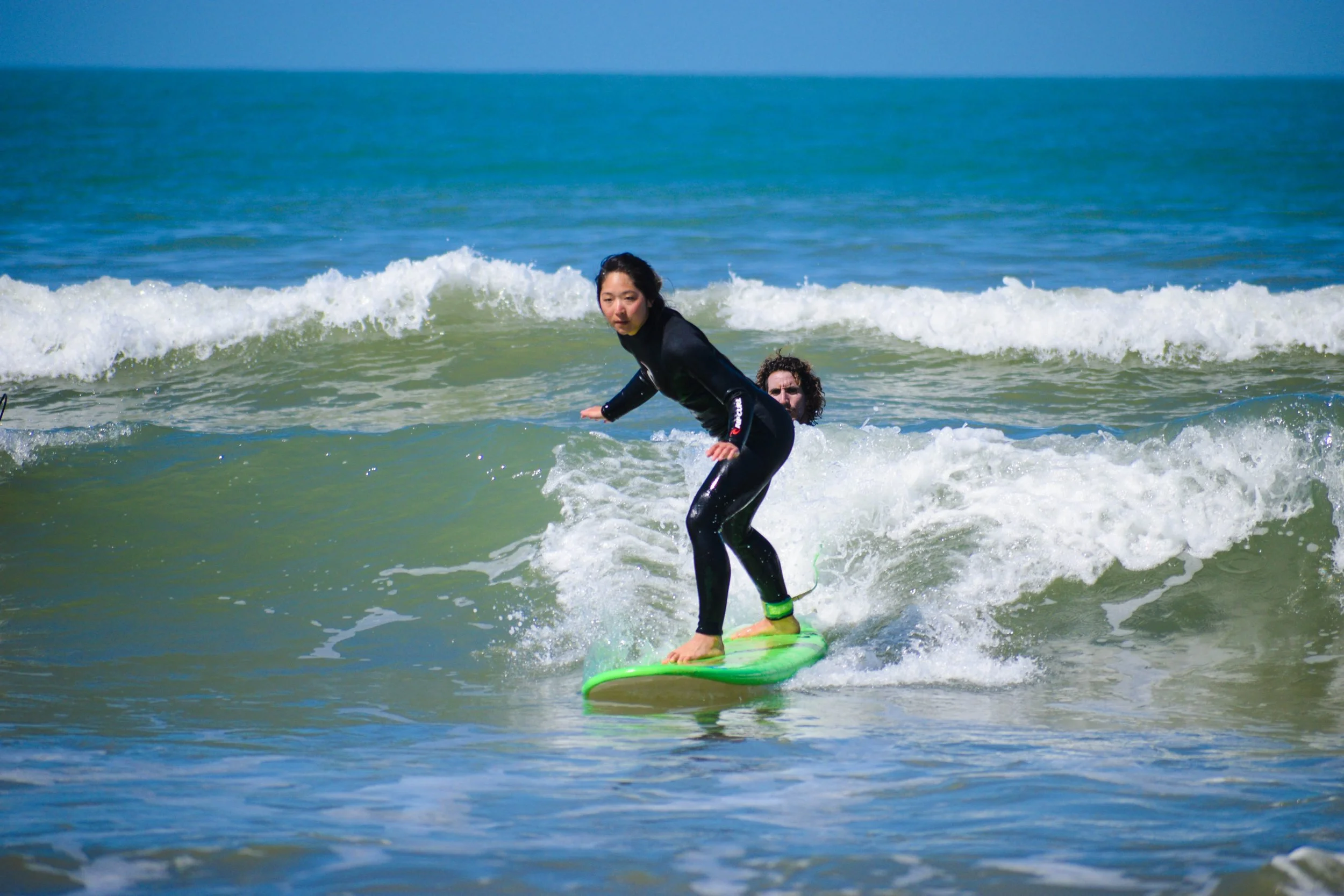
How to Read the Waves: A Beginner’s Guide to Surfing in Taghazout
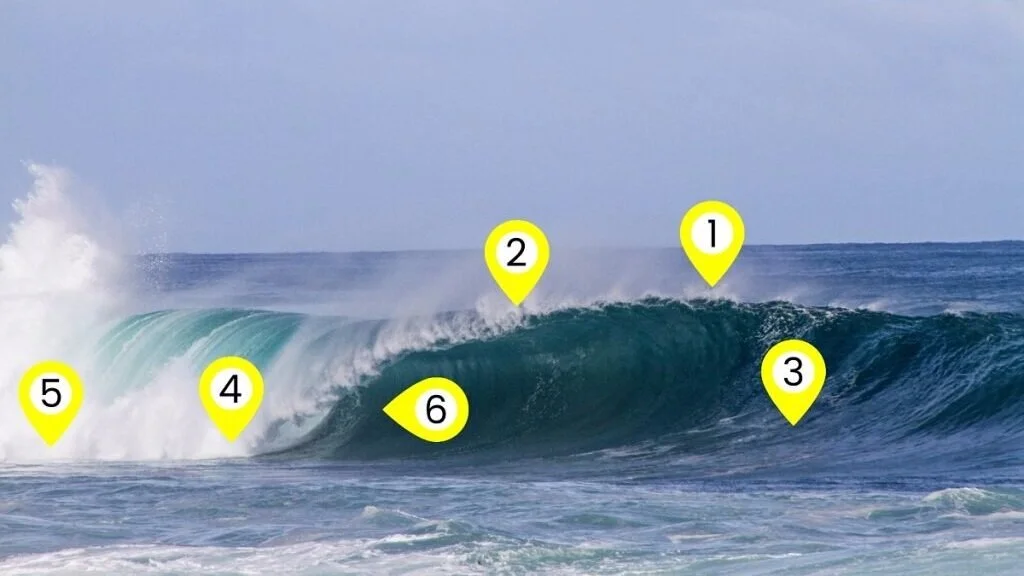
How to Read the Waves: Beginner Surf Tips in Taghazout
If you’re new to surfing, learning how to observe the waves before entering the water is one of the most important skills you can develop. In Taghazout, wave conditions change daily depending on swell, wind, and tide. Taking a few minutes to watch the ocean can help you surf safer, catch better waves, and enjoy your session much more.
This guide is especially useful for beginner surfers in Taghazout, but it’s helpful for all levels.
1. Check the Wave Size (Is It Right for Beginners?)
Before paddling out, look at how big the waves are.
In Taghazout, beginner-friendly conditions are usually small to medium waves with smooth, rolling faces.
If waves are breaking very fast or with a lot of whitewater power, it may be better to choose a softer beach break or surf spot like Panoramas or Banana Beach, which are popular for learning.
2. Watch Where the Waves Are Breaking
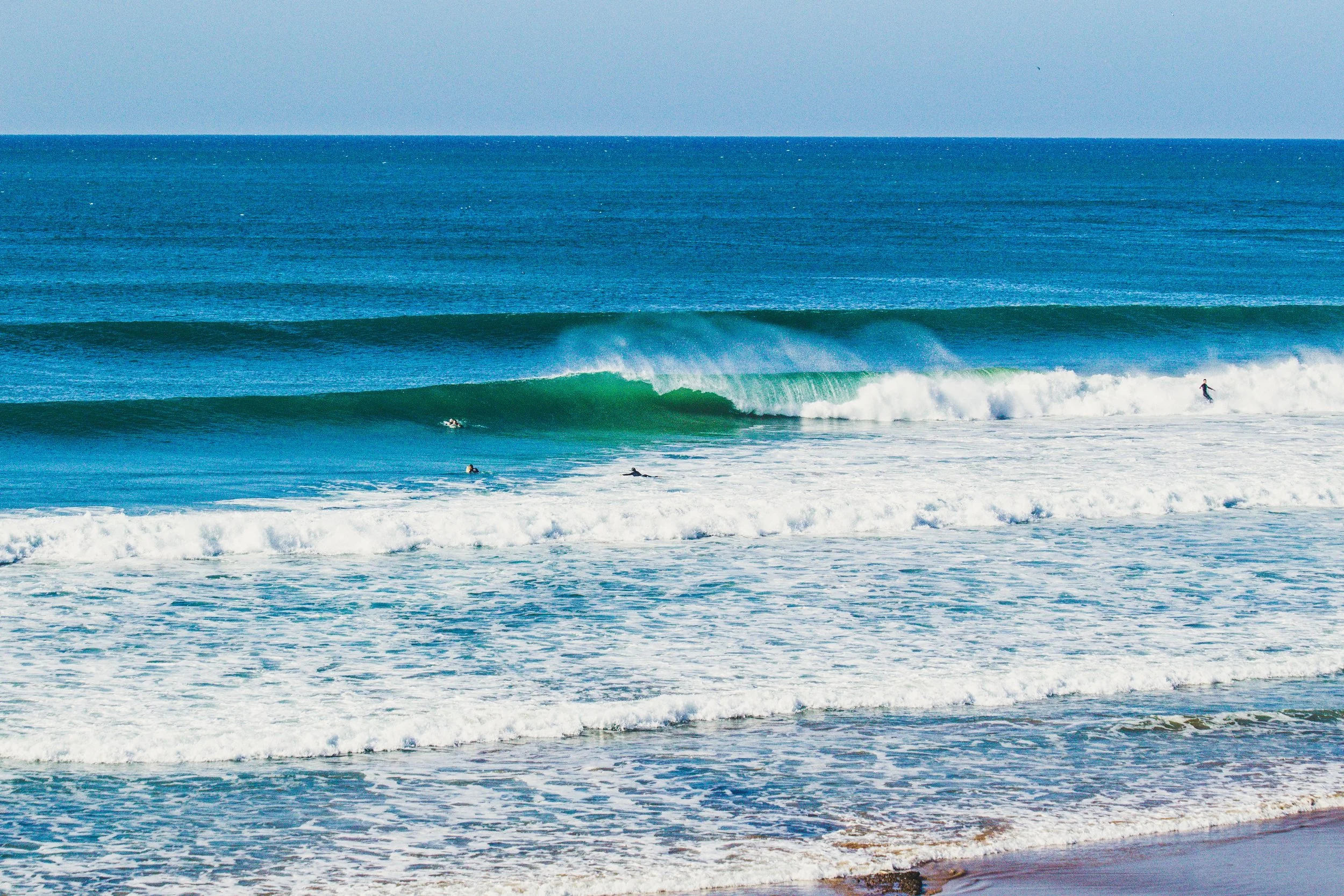
Spend time watching where the waves break most often.
Look for waves that peel slowly to the left or right rather than crashing all at once. These are easier and safer for beginners.
In Taghazout, each surf spot works differently depending on the swell and tide, so observing the break helps you choose the best place to paddle out.
3. Understand Sets and Timing
Waves usually come in sets, with calm moments in between.
Watch how many waves come in a set and how long the quiet period lasts. This will help you:
Paddle out with less effort
Position yourself in the right place
Avoid getting caught in strong whitewater
Taking your time here is especially helpful for beginners.
4. Spot Currents and Rip Channels
In Taghazout, you’ll often see channels where the water looks calmer and darker. These areas usually have less breaking waves and can help you paddle out more easily.
Always stay aware of how the water is moving and listen to your surf instructor or local advice, especially if you’re new to the ocean.
5. Check the Wind Direction
Wind makes a big difference to wave quality.
For the best beginner conditions in Taghazout:
Offshore or light wind = cleaner, easier waves
Strong onshore wind = choppy and harder to surf
Early mornings are often the best time for beginners, with calmer winds and smoother waves.
6. Know the Tide
Some surf spots in Taghazout work better at certain tides.
Beginner spots usually work well at mid to high tide, when waves are softer and enjoy a longer ride.
Ask your surf school or local guide which tide is best for your level.
7. Observe Other Surfers and Stay Respectful
Before entering the water, watch where other surfers are sitting and taking off.
For beginners, it’s important to:
Stay out of crowded lineups
Give space to more experienced surfers
Practice good surf etiquette
This keeps everyone safe and relaxed in the water.
Take Your Time and Enjoy the Process
Surfing in Taghazout is not just about catching waves — it’s about reading the ocean, staying safe, and enjoying the experience. Spending 10–15 minutes observing the waves can completely change your surf session.
If you’re surfing with a Taghazout surf camp or instructor, always ask questions and learn from the conditions each day. The ocean is the best teacher.